





Hip Replacement
What is hip replacement surgery?
Hip replacement, or hip arthroplasty, is a surgical procedure where a damaged hip joint is replaced with an artificial implant. The goal is to relieve chronic pain and restore function when the joint has been severely compromised by arthritis, fracture, or avascular necrosis.
When is it recommended?
You may be a candidate if you have:
-
Severe osteoarthritis with joint space narrowing and bone spurs
-
Rheumatoid arthritis causing inflammation and joint destruction
-
Fractured neck of femur that cannot be fixed with internal fixation
-
Avascular necrosis leading to collapse of the femoral head
-
Persistent pain that limits daily activities like walking, climbing stairs, or sleeping, and has not responded to medication, injections, or physiotherapy
Types of Hip Replacement
Total Hip Replacement (THR)
Both the acetabulum and femoral head are replaced. Most common for advanced arthritis.
Hemi-Arthroplasty
Only the femoral head is replaced. Often used for displaced femoral neck fractures in elderly patients. Bipolar hemi-arthroplasty adds a second articulating surface to reduce acetabular wear.
Hip Resurfacing
The femoral head is capped with metal, preserving more bone. Suited for younger, active patients.
The procedure in brief
Under spinal or general anesthesia, the surgeon removes damaged bone and cartilage from the acetabulum and femoral head. The new socket is fitted into the pelvis, and a metal or ceramic stem with a ball is placed into the femur. Modern implants use highly cross-linked polyethylene, ceramic, or metal bearings to reduce wear. Surgery typically takes 1–2 hours.

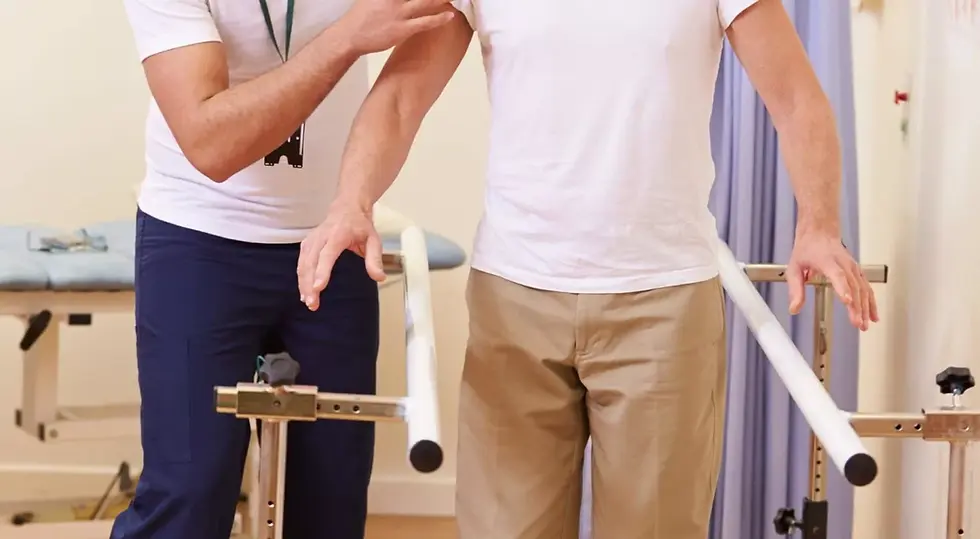
Recovery and Rehabilitation
Most patients stand with support the same day or next day. A structured physiotherapy plan starts immediately:
-
Week 1–2: Ankle pumps, bed mobility, walker-assisted walking, hip precautions to prevent dislocation
-
Week 3–6 : Progressive weight-bearing, strengthening of glutes and quadriceps, stair training
-
Week 6–12 : Return to most daily activities, low-impact exercise like cycling or swimming
-
3–6 months : Near-complete recovery for most; high-impact sports remain restricted
Full implant longevity is now 20–25 years for 80–90% of patients with modern materials.